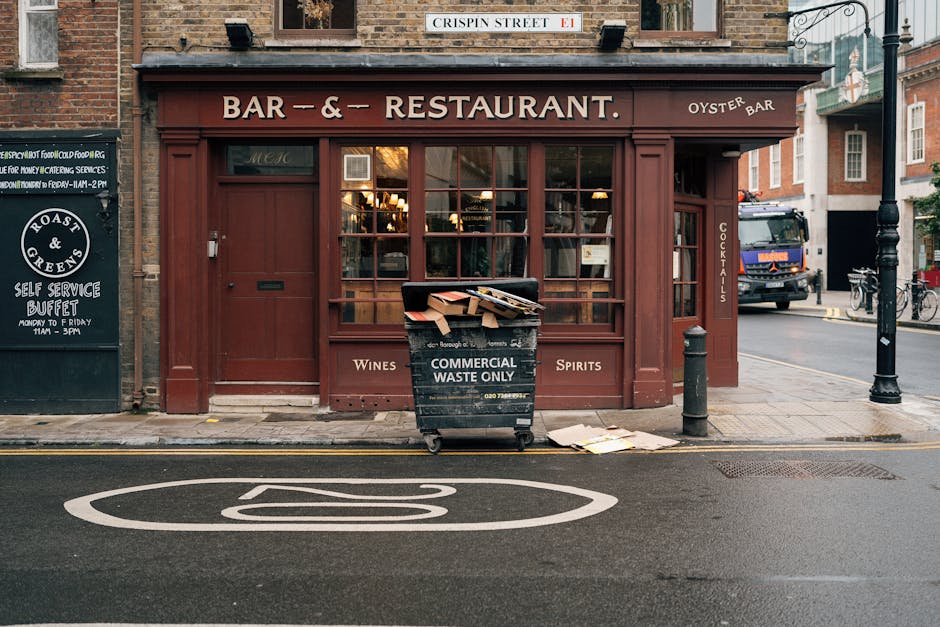
Chiswick skip and disposal rules: Hounslow Council guide
If you are clearing a flat, shifting furniture after a move, or tackling a long-overdue garden tidy in Chiswick, the rules around skips and waste disposal can feel oddly complicated. One minute you are trying to get rid of a broken wardrobe, the next you are wondering whether a skip needs a permit, what can actually go inside it, and whether your waste needs separate handling. This guide on Chiswick skip and disposal rules: Hounslow Council guide brings the whole picture into one place, in plain English, so you can avoid fines, delays, and the sort of last-minute stress nobody needs on a busy London street.
We will walk through how disposal rules typically work in Hounslow, what usually causes problems, and the practical steps that make life easier. And yes, there are a few details worth getting right first time. Let's face it, nobody enjoys a skip-related surprise on a narrow Chiswick road.
Table of contents
- Why these rules matter in Chiswick
- How the skip and disposal process works
- Key benefits and practical advantages
- Who this is for and when it makes sense
- Step-by-step guidance
- Expert tips for smoother disposal
- Common mistakes to avoid
- Tools, resources and recommendations
- Law, compliance, standards, and best practice
- Options, methods, or comparison table
- Case study or real-world example
- Practical checklist
- Conclusion
- Frequently asked questions
Why Chiswick skip and disposal rules: Hounslow Council guide Matters
Skip and waste rules matter because they sit at the point where convenience meets responsibility. In a place like Chiswick, where roads can be busy, parking is limited, and neighbours notice everything, waste management is not just about getting rid of stuff. It is about doing it safely, legally, and without causing avoidable disruption.
Most people only think about these rules when they are already mid-project. The house is half-packed, the builders have left plaster dust everywhere, or the old sofa is blocking the hallway. Then the questions begin. Can I place a skip outside? Do I need permission? What if the load includes paint tins, mattresses, or electricals? That is where confusion turns into mistakes.
There is also a reputational side to it. If you are a landlord, tenant, business owner, or letting agent, poor disposal can quickly become a nuisance complaint or a clean-up headache. For households, it can mean extra costs, missed collections, or the slightly embarrassing sight of a skip being refused because it is filled with the wrong material. Not ideal.
Practical takeaway: the safest approach is to plan disposal before the clearing starts, not after the pile has grown in the hallway. A few minutes of checking can save a lot of dragging, lifting, and backtracking later.
If your project involves moving bulky items rather than simply binning them, services such as furniture pick up or a flexible man and van can sometimes be a better fit than hiring a skip. That is especially true when access is tight or the waste is mixed with items that may need reuse, recycling, or special handling.
How Chiswick skip and disposal rules: Hounslow Council guide Works
At a basic level, skip use is about three things: where the skip goes, what goes in it, and who is responsible for it. Hounslow Council guidance, like most London borough rules, generally focuses on preventing obstruction, protecting the highway, and making sure waste is disposed of through legitimate channels.
Here is the simple version. If a skip is placed on private land, such as a driveway, the owner or occupier usually has more freedom, although the waste contents still need to be lawful and properly sorted. If the skip is going on a public road or pavement, permission is usually required. In a crowded part of west London, that detail matters a lot.
You also need to think about the type of waste. General household rubbish, renovation debris, and garden waste may all be accepted by a skip provider depending on the skip type and the arrangement, but restricted materials usually need separate disposal. That can include items such as:
- paint, solvents, and chemicals
- gas bottles and pressurised containers
- fridges and other refrigeration units
- televisions, monitors, and some electrical items
- car tyres
- asbestos or suspected asbestos
- clinical or hazardous waste
That list is not exhaustive, so it is always worth checking before you load anything awkward. To be fair, the last thing you want is to toss in a suspicious-looking tin and discover later that the whole skip now needs special treatment.
There is also a practical difference between disposal routes. A skip is useful for larger clearances, but it is not always the best choice for small jobs, mixed loads, or quick turnarounds. If you only have a few bulky pieces, a booked collection may be simpler. For moving-related clearances, a home moves service, a house removalists team, or even moving truck support can help you separate what should be moved, donated, or responsibly removed.
Key Benefits and Practical Advantages
Getting the disposal process right brings more than just compliance. It makes the job feel under control, which is half the battle when you are trying to clear a property or manage a business move.
- Fewer delays: when waste is sorted properly, collections and removals are less likely to be held up.
- Lower risk of penalties: avoiding unauthorised placement or unsuitable waste saves trouble later.
- Better use of space: a planned clearance keeps hallways, entrances, and shared areas usable.
- Improved recycling potential: separating reusable and recyclable materials often produces a cleaner outcome.
- Less stress for neighbours: neat, compliant waste handling is simply more considerate on a residential street.
There is also an efficiency benefit that people often miss. When waste is handled properly at the outset, the team doing the work can move faster. The job feels cleaner, more organised, and less like an all-day scramble. You notice it especially during a move when every extra trip down the stairs feels like a minor betrayal by gravity.
If your clearance is part of a bigger relocation, it can help to pair disposal planning with services like packing and unpacking services or removal truck hire. That way, items destined for reuse, storage, or collection are separated early instead of being mixed into one unpredictable pile.
Who This Is For and When It Makes Sense
This guide is useful for a surprisingly wide group of people. If you live, work, or manage property in Chiswick, you will probably run into disposal decisions sooner or later.
- Homeowners clearing lofts, garages, sheds, or gardens
- Tenants moving out and needing to leave a property tidy
- Landlords dealing with end-of-tenancy waste or abandoned items
- Estate agents and letting agents coordinating fast turnarounds
- Tradespeople handling renovation debris and fit-out waste
- Office managers disposing of furniture, archive boxes, and old equipment
It makes sense whenever the waste is too much for ordinary bins, too awkward for a car boot, or too mixed for a simple tip run. If you are staring at a broken wardrobe, two bags of old books, a cracked mirror, and a tired-looking desk chair, the question is not just "How do I remove this?" but "What is the safest and most sensible route?"
For business premises in particular, planning matters. A messy corridor or a skipped collection in the wrong place can create access issues and, frankly, a bit of a scene. Services such as commercial moves and office relocation services are often more practical than trying to improvise with ad hoc waste handling on the day.
Step-by-Step Guidance
Here is the most practical way to approach skip and disposal planning in Chiswick, without turning it into a weekend project nobody asked for.
- List everything that needs to go. Separate bulky items, general rubbish, recyclable material, and anything potentially hazardous.
- Decide whether you need a skip or a collection. If you have a large amount of mixed debris, a skip may suit. If you have only a few furniture items, a collection service may be simpler.
- Check location and access. Ask whether the waste container would sit on private land or the public highway. Narrow roads, permit needs, and parking pressure all matter.
- Confirm restricted items before loading. Keep anything hazardous, electrical, or liquid-based aside until you know how it should be handled.
- Protect shared spaces. Use boards, mats, or careful lifting to avoid damage to driveways, hallways, and communal entrances.
- Load the waste sensibly. Heavier items go at the bottom, lighter material on top, and nothing should overfill the container.
- Arrange collection or removal promptly. Once the load is ready, do not let it linger. The longer waste sits, the more likely it is to become a nuisance.
It sounds straightforward, and mostly it is. The tricky part is timing. In practice, people underestimate how long clearing takes, especially when a "quick sort-out" becomes a full room-by-room decision tree. Who knew old paperwork could breed so fast?
If you want a smoother handover, it is worth looking at supportive services such as house removalists or a carefully planned man with van arrangement. These options can help remove reusable items quickly so your skip, if you still need one, is reserved for true waste rather than everything in sight.
Expert Tips for Better Results
From a practical point of view, the best waste clearances are the ones that are planned in layers, not dumped into one pile and dealt with later. Here are the habits that tend to save time and hassle.
- Sort before you move. Keep reusable items, recyclables, and waste in separate zones.
- Keep paperwork, batteries, and liquids out of general waste. These small items cause more problems than people expect.
- Take photos of awkward items. If you are arranging help, a quick photo often avoids misunderstandings.
- Measure bulky objects. Door widths, stair turns, and lift access can be the hidden problem in Chiswick flats and terraces.
- Think about reuse first. A good item should not go in a skip if it can be rehomed, repaired, or collected separately.
- Book services with enough lead time. Short notice is possible, but it usually narrows your options.
A small but useful tip: keep one box labelled "unsure." It stops people from stuffing questionable things into the nearest bin because they are rushing. Then, once you have time to assess, you can decide whether it belongs in recycling, general waste, or a separate collection. Tiny trick. Big difference.
For households trying to stay environmentally sensible, a focus on recycling and sustainability makes a lot of sense. It helps avoid the slightly guilty feeling that comes with throwing away something that could have had a second life.
Common Mistakes to Avoid
Most disposal problems are not dramatic. They are just avoidable. That is almost worse, really, because you can see how easily they happen.
- Assuming all waste can go together. It cannot. Some items need special treatment.
- Leaving permission until the last minute. If the skip needs to sit on the street, do not leave that question hanging.
- Overfilling the container. This can create safety and collection issues.
- Ignoring weight limits or load balance. Heavy material needs careful placement.
- Using the wrong size solution. A skip that is too small leads to overflow; one that is too large may be inefficient.
- Throwing away reusable items by default. That is a missed opportunity and, often, an unnecessary cost.
Another common mistake is treating disposal like a separate task from the move itself. In real life, they overlap. Once you start moving furniture, you often discover extra clutter, damaged items, and a few things you had mentally ignored for years. It happens.
If the job includes large furniture removal, it may be worth comparing a skip with direct collection through furniture pick up. For a sofa, bed frame, or broken chest of drawers, that route can be cleaner and less wasteful than filling a container with one or two awkward objects.
Tools, Resources and Recommendations
You do not need a van full of specialist gear to handle disposal well, but a few simple tools make the work easier.
- Heavy-duty gloves: helpful for broken furniture, sharp edges, and dusty loft clearances
- Mask or dust protection: useful when clearing old storage areas or renovation debris
- Tape measure: for checking furniture and access dimensions
- Marker pens and labels: good for sorting items into keep, recycle, and remove piles
- Basic trolley or sack truck: a back-saver on longer internal carries
- Bin bags and rubble sacks: sturdier than normal bags for heavier waste
For larger projects, coordination matters more than kit. A reliable service plan can be more valuable than any piece of equipment. If your situation is time-sensitive, you may want to combine disposal with a transport booking such as moving truck support or a broader moving arrangement through man and van.
On the admin side, it is sensible to review service details carefully. If you are booking help, take a moment to understand the provider's pricing and quotes, along with the practical expectations set out in their terms and conditions. A few minutes now can prevent awkward assumptions later.
Law, Compliance, Standards, or Best Practice
For disposal in Chiswick, the big principle is simple: waste should be handled lawfully, safely, and without causing a public nuisance. That means you should be careful about where waste is stored, who removes it, and what happens after collection.
Best practice usually includes the following:
- keeping waste secure so it does not blow away, spill, or attract vermin
- avoiding obstruction of pavements, entrances, and vehicle access
- separating hazardous or restricted waste from general waste streams
- using legitimate carriers and reputable collection arrangements
- being honest about what is being removed, especially with mixed loads
For households and landlords alike, it is also wise to think about safety. Broken glass, nails, heavy objects, and unstable stacks are all minor hazards that become larger when people are rushing. A sensible provider will usually expect the site to be reasonably accessible and safe to work in, which is one reason a quick read of health and safety policy and insurance and safety information can be worthwhile before you book.
One other point that gets overlooked: respect for shared space. In many Chiswick properties, waste movement passes through communal hallways, side returns, or narrow access paths. Clean, careful handling is part of compliance too, even if nobody writes it on a poster. The sound of a trolley on old tiles at 7:30 in the morning? Your neighbours will remember that one.
Options, Methods, or Comparison Table
Different disposal methods suit different situations. Here is a straightforward comparison to help you choose without overthinking it.
| Method | Best for | Strengths | Limitations |
|---|---|---|---|
| Skip hire | Large mixed clearances, renovation debris, garden projects | Handles a lot in one place; simple for bigger loads | May need permission; not ideal for restricted items; access can be tricky |
| Bulky item collection | Sofas, beds, wardrobes, single-room clear-outs | Convenient; less physical handling for you | May not suit very large volumes or mixed rubble |
| Man and van removal | Flexible home clearances, mixed furniture, move-day leftovers | Adaptable; useful where access is tight | Not the same as a skip for loose waste or heavy rubble |
| Full removal truck support | Larger moves, commercial clearances, bulky relocations | Efficient for larger jobs; reduces multiple trips | Requires more planning and coordination |
The best option is usually the one that matches the load, the access, and the timescale. Simple as that. If the job includes both moving and disposal, a combination approach is often smarter than forcing everything into one method.
Case Study or Real-World Example
A fairly typical Chiswick scenario goes like this. A couple are moving from a first-floor flat near a busy high street into a house nearby. They have a sofa that will not fit through the new hallway, a broken desk, a set of kitchen bits they no longer want, and a spare room full of "we'll decide later" items. The first instinct is often to book a skip.
After looking more closely, though, the skip is not the neatest answer. The furniture is bulky, but not enough to justify a full container, and there are a few items better donated or collected separately. Instead, they split the job: keep the reusable items aside, arrange a removal service for the furniture, and send only the true waste into the disposal stream. The result? Less clutter, better sorting, and no awkward overfill problem on the pavement.
That kind of mixed approach is common. In our experience, the jobs that feel calm later are the ones that were divided into three questions at the start: what is moving, what can be reused, and what is actually waste?
For a larger home move, the same thinking applies. Booking home moves or support from house removalists can reduce the amount of waste you end up handling yourself, because more items are moved cleanly rather than abandoned at the side of the pile.
Practical Checklist
Use this before you arrange a skip or book disposal help.
- Have I listed every item that needs to go?
- Do I know which items can be reused, donated, or recycled?
- Is any of the waste hazardous, electrical, or liquid-based?
- Will the container or collection go on private land or the public highway?
- Have I checked whether permission or additional approval may be needed?
- Is the access route clear enough for safe lifting and removal?
- Have I compared a skip with direct collection for bulky items?
- Do I understand the provider's pricing and conditions?
- Have I protected floors, entrances, and shared areas?
- Is the disposal date aligned with my move, renovation, or clearance schedule?
If you can tick most of those off, you are already ahead of the average rushed clearance. Truth be told, that is where the headaches usually start: not with the waste itself, but with the planning.
Conclusion
Chiswick skip and disposal rules are not something to fear, but they do deserve a bit of respect. Once you understand the basics, the process becomes far more manageable: choose the right disposal method, keep restricted items separate, respect access and placement rules, and plan the job before the mess gets out of hand.
The biggest win is simplicity. A clear decision early on saves time, money, and stress later. Whether you are clearing a flat, preparing a family home for sale, or managing a commercial relocation, the same principle holds true: sort carefully, move safely, and dispose responsibly.
If you are planning a clearance alongside a move, it helps to choose support that fits the size and shape of the job rather than forcing one method to do everything. A little structure goes a long way. And yes, it really does make the day feel lighter.
Get a free quote today and see how much you can save.
Frequently Asked Questions
Do I need permission to put a skip on the road in Chiswick?
If a skip is going on the public highway rather than private property, permission is usually needed. The exact arrangement depends on the location and the way the waste will affect access, parking, and safety.
What items are usually not allowed in a skip?
Common restricted items include chemicals, paint, gas bottles, fridges, tyres, asbestos, and some electrical goods. Always check before loading anything uncertain, because one wrong item can complicate the whole collection.
Can I mix garden waste and household rubbish in the same disposal load?
Sometimes, but it depends on the provider and the type of collection arranged. Mixed loads are often fine in principle, yet separating waste where possible usually makes recycling easier and the job more efficient.
Is a skip better than a furniture collection service?
Not always. For a few large items, a furniture collection or man and van service can be simpler and less wasteful. A skip tends to make more sense when you have a larger volume of loose waste or renovation debris.
What happens if I overfill a skip?
Overfilling can create safety risks and may stop the skip being collected until the load is made safe. It is better to plan for a little spare room than to cram everything in and hope for the best.
How do I know whether I should hire a skip or book a removal service?
Think about the type of waste, the amount, and the access at your property. If it is mainly loose debris, a skip may suit. If it is bulky furniture or a small mixed clearance, a direct collection can be easier.
Can disposal help be arranged at the same time as a move?
Yes, and that is often the smartest way to do it. Combining move-day transport with selective clearance helps reduce clutter and makes it easier to separate keep, move, and dispose piles.
Are office clearances handled differently from home clearances?
Usually, yes in practice. Office clearances often include equipment, records, furniture, and access considerations, so planning matters more. Commercial properties also tend to need tighter timing and cleaner coordination.
What should I do with reusable furniture I do not want to keep?
It is worth separating reusable furniture before arranging general disposal. In many cases, a dedicated collection is better than throwing good items into a mixed waste load.
How can I reduce waste disposal costs?
Sort items before collection, remove reusable pieces early, and avoid mixing clean recyclable items with general rubbish. The more clearly the load is prepared, the less wasteful the whole process tends to be.
Is there any benefit to checking company policies before booking?
Yes. Looking at safety, insurance, payment, and terms information can help you understand what is included and what is expected. It is a boring step, admittedly, but a useful one.
What is the safest next step if I am not sure what I can throw away?
Make a shortlist of the uncertain items and get advice before they go anywhere. A few careful decisions now are far better than discovering a restricted item after the load is already arranged.
If you want disposal to feel less like a last-minute scramble and more like a tidy part of the plan, start with the load, not the container. That one shift usually changes everything. And it makes the whole job feel oddly manageable, which is a nice feeling on a busy Chiswick day.