Hounslow Council parking permits for Chiswick removals: a practical guide for a smoother move
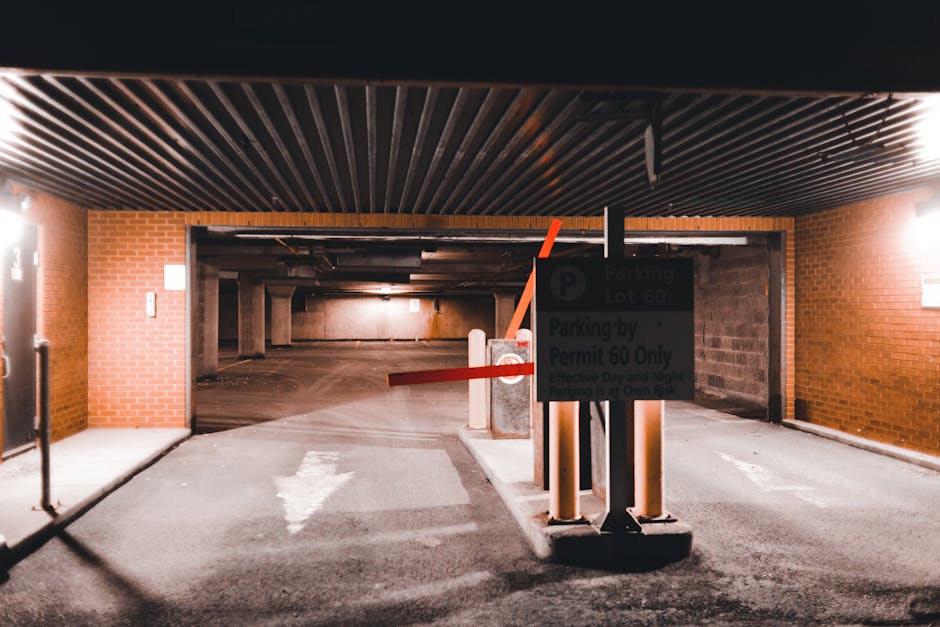
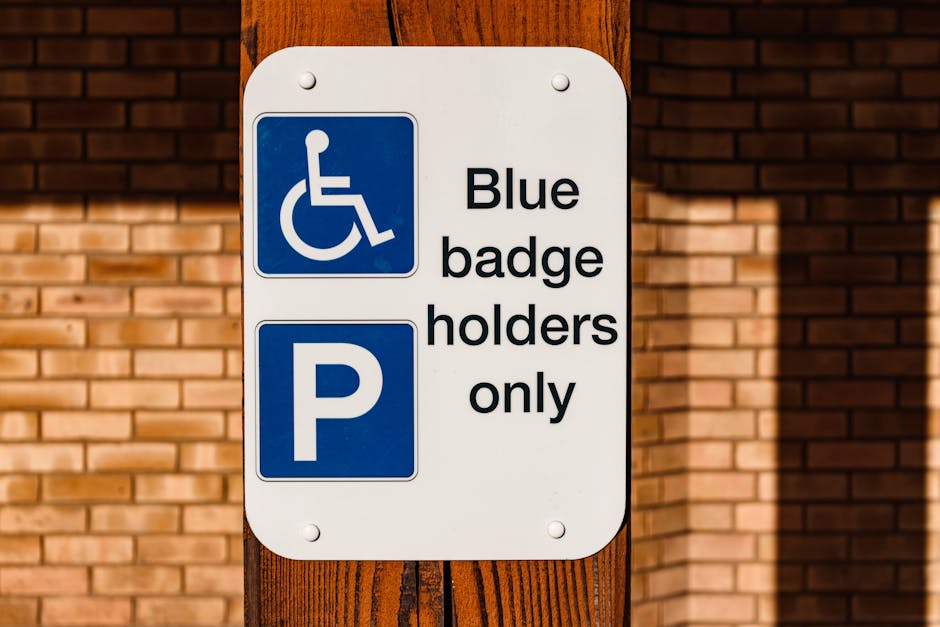
If you are moving home or office in Chiswick, parking can become the thing that quietly turns a decent removal day into a stressful one. Hounslow Council parking permits for Chiswick removals are there to help you manage loading space, avoid parking penalties, and keep the move moving. In plain English: if the van cannot stop close enough to your door, everything takes longer, costs more, and gets a bit more fraught than it needs to be.
This guide breaks the topic down in a straightforward way. We will look at what parking permits are for, how they usually fit into a Chiswick move, the common mistakes people make, and the best way to plan ahead. You will also find a checklist, a comparison table, and a realistic example from a typical moving day. No fluff. Just the stuff that helps.
- Why Hounslow Council parking permits for Chiswick removals matters
- How Hounslow Council parking permits for Chiswick removals works
- Key benefits and practical advantages
- Who this is for and when it makes sense
- Step-by-step guidance
- Expert tips for better results
- Common mistakes to avoid
- Tools, resources and recommendations
- Law, compliance, standards, or best practice
- Options, methods, or comparison table
- Case study or real-world example
- Practical checklist
- Conclusion
- Frequently asked questions
Why Hounslow Council parking permits for Chiswick removals Matters
Parking in Chiswick is rarely the easiest part of a move. Streets can be narrow, bays can fill quickly, and a removal van can block access if you do not plan properly. That is where Hounslow Council parking permits for Chiswick removals become genuinely useful. They help create a lawful place for the van to load or unload, which can reduce delays and keep the day organised.
It sounds simple, but the real value is bigger than just avoiding a ticket. A proper parking plan can affect how many trips your movers need to make, whether furniture can be carried out safely, and how smoothly the team can work. A van parked half a street away means extra walking, extra time, and, let's face it, extra chances for something to get scratched or dropped.
For moves involving larger vehicles, awkward staircases, or time-limited access, parking is not a side issue. It is part of the move itself. If you are arranging a home move through home moves or a smaller job with man and van support, getting the parking piece right can be the difference between a calm start and a messy one.
Practical takeaway: in busy parts of Chiswick, the cheapest move is often the one that avoids wasted time, repeat lifting, and parking penalties.
How Hounslow Council parking permits for Chiswick removals Works
While the exact process can vary depending on the street, location, and type of restriction, the general idea is the same: you arrange permission or temporary parking access so the moving vehicle can stop near the property. In some cases, this may involve a dedicated suspension or permit arrangement; in others, the move may be managed within existing loading or waiting rules. The right option depends on the road layout and local parking controls.
The important thing is not to assume that a van can simply stop outside because the job is only "for a bit". In controlled parking zones, shared bays, yellow lines, and permit-holder streets, the rules can be stricter than people expect. A short stop can still be a problem if it is in the wrong place. Nobody wants to carry a sofa down three flights of stairs, only to discover the van is parked in the next postcode over.
For larger or more complex moves, teams using a moving truck or removal truck hire often need parking arranged in advance because those vehicles are harder to place safely and legally at the last minute. Smaller vehicles may be more flexible, but even then you still need to check access carefully.
In practice, a good moving plan usually covers three questions:
- Where will the vehicle stop?
- How long will it need to stay there?
- What happens if the road is full or restricted on the day?
If you can answer those before move day, you are already ahead of most people.
Key Benefits and Practical Advantages
There are a few reasons why sorting parking properly is worth the effort.
- Less wasted time: the closer the van can get to the property, the faster loading and unloading tends to be.
- Lower risk of fines or enforcement action: a permit or approved parking arrangement reduces the chance of a bad surprise.
- Safer handling of belongings: shorter carrying distances mean less strain and fewer opportunities for damage.
- Better coordination: movers can work to a clearer timetable if access is planned.
- Less stress for neighbours and pedestrians: sensible parking avoids awkward blocking and repeated repositioning.
There is also a commercial side to this. If you are moving a workplace, a more reliable parking arrangement helps everyone get back to normal faster. That matters for customer-facing businesses and office teams alike. If your relocation is business-related, you may also want to look at commercial moves or office relocation services for a broader sense of how the day can be structured.
Truth be told, parking is one of those invisible jobs that makes the visible work look easy. When it goes well, nobody talks about it. When it goes badly, everyone remembers.
Who This Is For and When It Makes Sense
Hounslow Council parking permits for Chiswick removals are most relevant if your move involves stopping a van near a controlled or busy road, especially where loading space is limited. That includes:
- house moves in terraced streets or apartment blocks
- flat moves with narrow access or stair-only entry
- office relocations with larger vehicles and timed access
- furniture pick-ups where bulky items need to be loaded quickly
- same-day moves where timing is tight and there is little room for delay
If you are using a man with van service for a smaller move, you may still need parking support if the van needs to remain near the property while multiple trips are made. And if your job includes dismantling, wrapping, and reassembly, the parking plan can affect how efficiently the whole operation runs.
It makes sense to think about this early if any of the following apply:
- the road is usually busy or heavily parked
- you are moving on a weekday morning
- you have a large amount of furniture or boxes
- you live on a corner, cul-de-sac, or narrow residential street
- you have timed access with a building manager or landlord
If none of that sounds like your move, you may still be fine with standard loading arrangements. But it is better to check than to assume.
Step-by-Step Guidance
Here is a practical way to handle parking for a Chiswick move without turning it into a full-time project.
- Check your street conditions early. Look at the road outside your property and think like a removal driver. Is there room for a van to stop safely? Is the bay permit-only? Is there a nearby loading area?
- Identify the vehicle size. A small van, a standard removal van, and a larger truck all create different parking needs. Bigger vehicles usually need more space, more planning, and more patience.
- Confirm the move timing. A morning slot may be easier in some roads, while afternoons can be quieter in others. It depends on the street, school traffic, and local parking patterns.
- Speak to the moving team. Share the exact address, any access issues, and whether there are time restrictions. If your move includes packing help, it is worth linking this to packing and unpacking services so the team can plan the loading sequence properly.
- Consider whether a permit or suspension is needed. If the area is controlled, do not leave this to the last minute. Some arrangements need lead time, and some streets are simply not forgiving if you wing it.
- Prepare proof and details. You may need exact addresses, dates, vehicle info, or property notes. Keep these in one place. Small detail, big difference.
- Have a backup plan. Know where the van could stop if the first option is blocked. A nearby legal alternative can save a lot of panic on the day.
If you are also disposing of bulky items or clearing out surplus furniture, planning parking becomes even more useful. A timed collection through furniture pick up is easier when access is not awkward.
Expert Tips for Better Results
After enough moves, a few patterns become very clear. The best outcomes usually come from small practical decisions made early.
- Build in more time than you think you need. Parking and access are the two things most likely to slow a move down. People often underestimate both.
- Measure the route from van to front door. A short walk is not just a convenience; it affects lifting, stacking, and speed.
- Keep neighbours in mind. If you can, let the people next door know what day the move is happening. It can reduce friction before it starts.
- Use labels and room-by-room packing. The quicker items can be identified and carried, the less time the vehicle needs to stay parked.
- Choose the right vehicle size for the street. A smaller van can sometimes be the smarter option if access is tight. Bigger is not always better. Annoying, but true.
One of the most effective habits is simply this: assume the space outside your property will be less convenient than you want it to be. That sounds pessimistic, but it keeps you prepared. And being prepared usually feels very boring right up until the exact moment it saves the day.
If you want a clearer cost picture before booking anything, it can also help to review pricing and quotes so you understand how parking, timing, and vehicle choice can affect the overall job.
Common Mistakes to Avoid
A lot of parking trouble on moving day comes from a handful of repeat mistakes. Most are avoidable.
- Leaving permits until the last minute: if the street needs special parking arrangements, delay creates stress fast.
- Assuming loading is always allowed: not every restricted street gives you the same flexibility, even for removals.
- Not checking the bay markings: a bay that looks usable may actually be permit-holder only, shared use, or time limited.
- Booking a vehicle that is too large for the location: this can force extra walking or repeated shuttling.
- Failing to communicate access details: a good moving team can only plan well if they know the real conditions.
- Ignoring weather and timing: a wet November morning with poor visibility and road congestion is not the time to improvise.
There is also the classic mistake of thinking, "It will be fine, we're only there for twenty minutes." Sometimes it is fine. Sometimes it absolutely is not. Parking rules do not care that the sofa is heavy.
Tools, Resources and Recommendations
You do not need a complicated toolkit to handle parking for a removals job, but a few practical things can help.
- Property notes: keep the full address, postcode, and access instructions in one note on your phone.
- Photographs of the street: a quick picture of the frontage, bay markings, or dropped kerb can help you explain the situation to movers.
- Floor plans or room lists: these are especially handy for larger home moves and office relocations.
- Packing materials: the less time spent making last-minute box decisions, the smoother the loading process.
- Reliable moving support: if you are comparing options, services like house removalists or a general man and van team can be matched to the scale of the move.
For more involved jobs, a bigger vehicle may be worth it, especially when loads are bulky or the move spans multiple rooms. In those cases, moving truck options can make sense, provided the parking plan is realistic.
And if your move includes an office clear-out or the end of a lease, checking recycling and sustainability can help you think about what to keep, donate, reuse, or dispose of responsibly.
Law, Compliance, Standards, or Best Practice
Parking rules in London are not something to treat casually. Local traffic restrictions, loading exemptions, and permit conditions can differ by street and by time of day. The safest approach is to treat parking as a compliance issue, not a convenience issue.
In practice, that means checking the specific road conditions before the move and making sure the vehicle will be parked in a lawful way. If a permit, suspension, or loading arrangement is required, it should be handled before the removals team arrives. That way, nobody is making judgement calls with a sofa halfway through the doorway.
Best practice also means being honest about the size and length of the vehicle needed. A compact van may fit better on a narrow Chiswick street, while a larger truck may be more efficient for a bigger load. There is no single perfect answer. The right choice depends on access, volume, and timing.
For your own peace of mind, it is also sensible to review the operator's policies on safety and insurance. If a moving company is handling your belongings, you want to know how they work, how they protect items, and what happens if something does not go to plan. A useful starting point is insurance and safety, together with health and safety policy.
That is not overkill. It is just good sense.
Options, Methods, or Comparison Table
There are a few ways to approach parking for a removal in Chiswick, and each has trade-offs. The table below gives a simple comparison.
| Approach | Best for | Pros | Potential drawbacks |
|---|---|---|---|
| Standard street loading | Short, simple moves with flexible access | Quick to arrange, minimal admin | May not be possible on controlled or busy streets |
| Temporary permit or parking arrangement | Moves needing reserved access near the property | More predictable, usually easier for the crew | May need advance planning and specific details |
| Smaller vehicle with multiple runs | Restricted roads or limited stopping space | More flexible in tight streets | Can take longer and require more lifting cycles |
| Larger removal truck | Big household or office moves | Efficient for substantial loads | Needs more space and stronger parking planning |
The right method is not always the biggest one or the cheapest one. Often it is the one that matches the street outside your property. That sounds obvious, but it gets missed surprisingly often.
Case Study or Real-World Example
Here is a realistic example. A family moving from a first-floor flat in Chiswick had a fairly standard load: beds, wardrobes, boxes, kitchen items, and a few awkward bits that needed careful carrying. The road outside was busy, and parking was tight because nearby residents already occupied most of the bays.
At first, they thought a van could simply stop for a quick load. But once they checked the street more carefully, it became clear that the safest option was to plan access properly and use a vehicle that could stay close to the property. The move team adjusted the schedule, broke the packing into room-by-room loads, and kept the heaviest items near the exit first.
The result? Less back-and-forth, less waiting, and no last-minute drama with the vehicle circling the road like it had forgotten where it was going. The moving day still felt busy, because of course it did, but it stayed under control.
This is the point people often miss: parking is not just a legal checkbox. It shapes the rhythm of the whole day. Once that rhythm is right, the rest of the move usually follows more easily.
Practical Checklist
Use this checklist before moving day. It is simple, but it catches a lot of common problems.
- Confirm the exact moving address and postcode
- Check the street for permit bays, yellow lines, or loading restrictions
- Decide whether the vehicle is a van, larger truck, or something in between
- Tell the moving team about stairs, lifts, narrow entrances, or timed access
- Agree the best loading point for the day
- Allow time for parking setup and possible delays
- Keep your moving documents and contact details easy to find
- Pack essential items separately so you are not searching for kettle parts at the last second
- Check whether any furniture needs dismantling before loading
- Have a backup parking option in mind, just in case
That last point matters more than people expect. Streets change from one hour to the next. A backup plan is not pessimism; it is common sense.
Get a free quote today and see how much you can save.
Conclusion
Hounslow Council parking permits for Chiswick removals may not be the most glamorous part of moving, but they are often one of the most useful. If you get parking right, everything else gets easier: loading is quicker, access is safer, and the day feels far less chaotic. In a busy London neighbourhood, that is no small thing.
Whether you are planning a house move, an office relocation, or a one-off bulky item collection, the smart approach is the same: check access early, match the vehicle to the street, and make parking part of the plan rather than an afterthought. It saves time, reduces stress, and usually makes the whole experience feel much more manageable.
If you are preparing a move in Chiswick, the best next step is to map out the access details now, while everything is still calm and your boxes are still neatly stacked. Future you will be grateful. Honestly, probably very grateful.
Frequently Asked Questions
Do I need a parking permit for removals in Chiswick?
Not always, but you should never assume you can park wherever you like. If your street has parking controls, loading restrictions, or permit-only bays, you may need an approved arrangement before the move.
How far in advance should I sort parking for a move?
As early as you can. The sooner you know the vehicle size, street layout, and moving time, the easier it is to decide whether special parking arrangements are needed.
Can a removal van stop on a single yellow line?
Sometimes loading may be possible, but it depends on local restrictions, time limits, and how long the vehicle needs to stay. Do not treat it as a universal solution.
What happens if the van cannot park outside my property?
The crew may need to park further away and carry items longer distances, which can slow the move and increase the chance of fatigue or damage. That is why parking is worth planning carefully.
Is a small van better than a large truck for Chiswick streets?
Often, yes, if access is tight. A smaller van can be easier to place in a narrow street. But for larger moves, a bigger vehicle may still be more efficient overall. It depends on the load and the road.
Do office moves need the same parking planning as home moves?
Usually, yes, and sometimes even more so. Office relocations often involve larger volumes, timed access, and business continuity pressures, so parking and loading planning become very important.
What details should I give the removals team?
Share the full address, postcode, floor level, lift access, road restrictions, parking bay type, and any time limits. The more precise you are, the easier it is for the team to plan correctly.
What if my move is only a few pieces of furniture?
You may not need a full parking arrangement, but you still need to check access. Even a small furniture pickup can become awkward if the road is heavily parked or restricted.
Can parking issues make a move more expensive?
They can, because extra time, longer carrying distances, or a bigger vehicle may affect the overall job. Good planning helps reduce avoidable cost pressures.
Should I tell neighbours about the move?
It is usually a good idea, especially in shared or tightly packed streets. A bit of warning can make the day smoother and keep everyone happier. Simple, but effective.
How do I reduce the chance of delays on moving day?
Confirm parking early, pack methodically, keep access clear, and make sure the moving team knows about any restrictions. That combination solves most problems before they start.
Where can I find more help with my move?
If you need support with the full process, from planning through to lifting and transport, it can help to review services like about us, contact us, and the relevant moving options for your job size and access needs.