Narrow Victorian staircases? Chiswick moving solutions that actually work
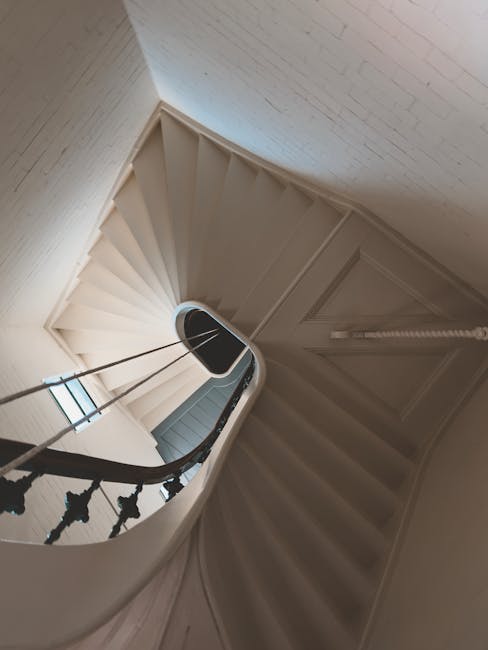
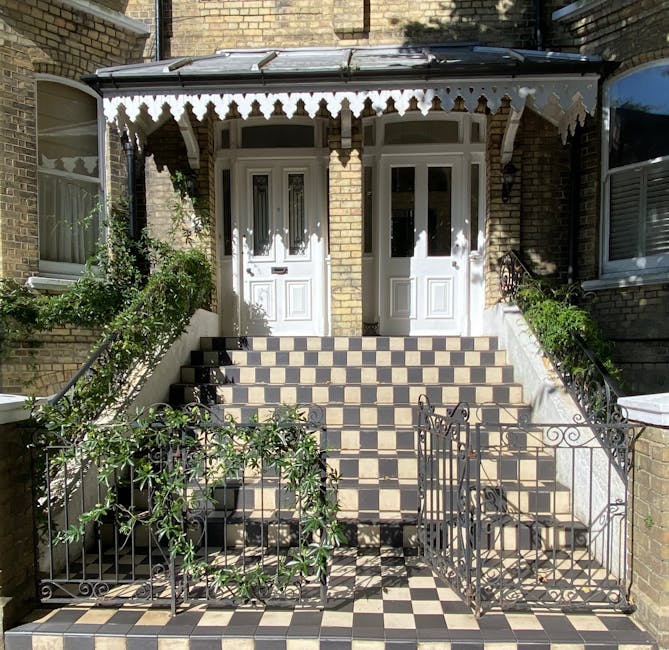
If you live in a Victorian terrace or maisonette in Chiswick, you already know the problem: the staircase looks charming, but it can make moving day feel like a puzzle with one piece missing. Narrow treads, awkward bends, low ceilings, banisters that seem to lean in a bit too close, and bulky furniture that was clearly designed by someone who never had to carry it upstairs. That is exactly why Narrow Victorian staircases? Chiswick moving solutions need a practical, calm approach rather than a one-size-fits-all plan.
This guide walks through what works, what tends to go wrong, and how to prepare so your move is smoother, safer, and far less stressful. You will find step-by-step advice, useful comparisons, and a realistic view of the risks involved. If you are comparing providers, it can also help to look at pricing and quotes, read more about the team behind the service, and check practical policies such as insurance and safety and health and safety. Small details, yes - but they matter on a staircase that barely gives you room to turn.
Table of Contents
- Why Narrow Victorian staircases? Chiswick moving solutions Matters
- How Narrow Victorian staircases? Chiswick moving solutions Works
- Key Benefits and Practical Advantages
- Who This Is For and When It Makes Sense
- Step-by-Step Guidance
- Expert Tips for Better Results
- Common Mistakes to Avoid
- Tools, Resources and Recommendations
- Law, Compliance, Standards, or Best Practice
- Options, Methods, or Comparison Table
- Case Study or Real-World Example
- Practical Checklist
- Conclusion
- Frequently Asked Questions
Why Narrow Victorian staircases? Chiswick moving solutions Matters
Victorian properties in Chiswick are lovely, no doubt about it. High ceilings, original features, proper character. But the staircases are often the exact opposite of generous. They can be narrow, winding, and slightly unforgiving when you are trying to move a sofa, mattress, wardrobe, or dining table up or down them. That is where specialist moving planning becomes less of a luxury and more of a necessity.
The main issue is not just width. It is the combination of width, angle, ceiling height, handrails, landings, and turning space. A piece of furniture may technically fit in the room, yet still refuse to make the turn halfway up the stairs. That is when scratches happen, walls get marked, and tempers rise. Let's face it, the staircase wins if you improvise badly.
Good moving solutions for these homes are built around measurement, careful handling, and route planning. They reduce the chance of damage to your belongings and the building itself. They also save time, because a job that is forced can take twice as long as one that has been properly assessed.
There is a trust element too. In older Chiswick homes, people often want reassurance that the team handling the move understands the quirks of period properties. That means more than just having strong arms. It means knowing how to protect corners, when to remove fittings, how to angle larger items, and when to say a piece is better dismantled before anyone risks a clumsy wobble halfway up the stairs.
Expert summary: The best moving approach for narrow Victorian staircases is rarely brute force. It is measurement, method, and patience - with the right equipment used at the right moment.
How Narrow Victorian staircases? Chiswick moving solutions Works
In practice, the process starts long before moving day. A proper approach usually begins with an assessment of access. That means checking the front entrance, hallway turns, stair width, ceiling height, banister clearance, and any tight corners or awkward transitions between rooms. If you are moving from a top-floor flat or a split-level Victorian home, the route can be just as important as the furniture itself.
From there, the move is broken into manageable parts. Large items may be dismantled, wrapped, and carried in sections. Sofas can sometimes be turned end-on. Bed frames are often taken apart. Wardrobes may need careful emptying and disassembly. A sensible mover will not just guess; they will think through the geometry of the route. Sounds obvious. It is not always done.
There is also the question of protection. Stair treads, bannisters, door frames, and walls should be protected where needed. On older properties, small knocks can leave very visible marks, so a cautious team will use padding, blankets, and corner protection. The same applies to flooring if the route passes through polished wood or original tiles.
For the client, the moving day experience should feel controlled rather than frantic. You should know which items are going first, what has been dismantled, what needs extra care, and whether anything is too large to go safely via the stairs. That kind of transparency makes a huge difference when the staircase is tight enough that everyone has to move in a sort of polite single file.
If you want to understand the broader service standards behind this sort of work, it is worth reviewing the company's terms and conditions and payment and security information before booking. Not glamorous, perhaps, but very useful.
Key Benefits and Practical Advantages
Why go to the trouble of planning a specialist move for a narrow staircase? Because the benefits are very real. You get fewer risks, a more efficient move, and much less of that uneasy feeling that something expensive is about to clip the wall.
- Less risk of damage: Careful handling reduces scuffs, dents, and broken fittings.
- Faster problem-solving: A trained team can identify route issues before they become a delay.
- Better protection for period features: Victorian banisters, skirting boards, and plasterwork are easier to preserve when the move is planned properly.
- Reduced physical strain: Tight staircases are hard work. Good planning helps avoid unsafe lifting.
- More predictable timing: You are less likely to be stuck in a long, frustrating chain of failed attempts.
- Improved peace of mind: This is a big one. Moving day already has enough moving parts, honestly.
There is also a hidden advantage: making better decisions about what should be moved as-is and what should be dismantled. A modular sofa or flat-pack wardrobe may be much easier to carry than one-piece furniture. In older homes, that flexibility matters. It can be the difference between a straightforward delivery and a half-day of negotiation with a staircase that refuses to cooperate.
And if you are moving into, out of, or within Chiswick, there is the local benefit of familiarity. Knowing the style of housing stock helps a mover prepare more realistically. A terraced home near a busy road is not the same as a modern block with lift access. Different challenge, different solution.
Who This Is For and When It Makes Sense
This sort of moving support is useful for a wide range of people, but it is especially relevant if your property has any of the following:
- a steep or narrow Victorian staircase
- split-level or top-floor access
- tight hallway turns at the landing
- original bannisters or period trim you want to protect
- bulky furniture with awkward dimensions
- heavy items that need dismantling before removal
- limited parking or difficult street access outside
It also makes sense if you are moving under time pressure. Maybe your tenancy ends on a Friday afternoon. Maybe tradespeople are arriving the next morning. Maybe you have already lived through one failed attempt at shifting a wardrobe up the stairs and you are not keen to repeat the experience. Fair enough.
Families moving with children often need even more organisation, because clutter piles up quickly and the home has to stay usable until the last minute. Older residents may want a slower, safer pace. Landlords and letting agents may be focused on minimising damage to the building. All of those scenarios benefit from a measured approach.
To be fair, not every move in Chiswick needs a specialist process. If you are in a modern property with straight stairs and lift access, life is easier. But if the building is period, compact, and full of corners with opinions, then specialist planning becomes very sensible indeed.
Step-by-Step Guidance
Here is a practical way to think about the process. Not glamorous, but effective.
- Measure the problem areas. Stair width, landings, turns, door heights, and any overhead obstructions should all be checked.
- Identify the bulky items early. Sofas, wardrobes, bed frames, white goods, mirrors, and bookcases tend to create most of the headaches.
- Decide what can be dismantled. Take apart furniture where it improves safety or makes the route possible.
- Prepare the route. Clear halls, remove small objects, protect floors, and make sure the front entrance is accessible.
- Wrap and label properly. This avoids confusion when items are being carried in sections.
- Plan the order of loading. It is usually easier to move difficult items first, while everyone still has energy and the route is clear.
- Use the right carrying technique. Angling, rotating, and team coordination matter more than speed.
- Pause rather than force it. If something catches, stop and re-evaluate. Forcing an awkward turn is how damage happens.
- Check the property at the end. Walk the route and look for knocks, loose fittings, or debris.
A small but valuable point: keep a bag for screws, brackets, and small fittings. Put one label on it. Then put another label on it. People think they will remember where everything came from. They will not. No one does on a moving day.
Expert Tips for Better Results
After enough moves in older homes, a few patterns become very clear. The first is that measurement beats assumption every time. A sofa that looks "probably fine" often is not fine. The second is that patience saves money. Forcing a move and causing damage is far more expensive than dismantling one item in advance.
Here are some practical tips that genuinely help:
- Measure twice, move once. Check the item and the route, not just one or the other.
- Empty bulky furniture before moving. A wardrobe filled with clothes is heavier and harder to control.
- Protect corners early. Once the wall is marked, you cannot un-mark it.
- Keep children and pets out of the route. Tight stairs need full concentration.
- Use gloves with grip. It sounds small, but grip matters a lot on polished timber and narrow rails.
- Have a backup plan. If one route fails, think about whether a window lift, balcony access, or further dismantling is needed. Not always possible, but worth considering.
If you are booking a moving service, ask how they handle tricky access, what protection they use, and whether they carry suitable insurance. Those questions are normal. In fact, they are the sort of questions a careful customer should ask.
And if you need reassurance about how a provider handles safety and complaints, it is completely reasonable to review the company's complaints procedure and health and safety policy. Good businesses expect that. They really do.
Common Mistakes to Avoid
Most moving problems in narrow Victorian staircases are not dramatic. They are small errors that pile up. A box left in the hallway. A wardrobe not measured properly. A rushed lift on the landing. Then suddenly everyone is awkwardly wedged in a stairwell trying not to breathe too loudly.
Here are the mistakes that cause trouble most often:
- Assuming the item will fit because it fit in the old house. Different staircase, different angles, different problem.
- Leaving measurements until moving day. That is too late.
- Ignoring the landing turn. The straight flight may be fine; the bend may not.
- Not emptying heavy items. It adds weight and instability.
- Skipping protective padding. One careless scrape can leave a visible mark on older paintwork.
- Trying to save time by not dismantling furniture. Usually false economy.
- Blocking the route with bags, shoes, or boxes. Clutter turns a tight space into a hazard.
One more, and this one is easy to miss: not telling the moving team about the awkward bit. If there is a particularly tight turn, a step that narrows, or a low beam, say so before anyone starts. You are not being fussy. You are helping the move go well.
Tools, Resources and Recommendations
You do not need a van full of specialist gear for every move, but the right tools make a real difference in older Chiswick properties. Typical helpful items include:
- furniture blankets and padded wraps
- sturdy lifting straps
- gloves with grip
- corner protectors
- floor runners or protective coverings
- basic tool kits for dismantling furniture
- labels and marker pens for boxed fittings
- tie-down straps for securing items in transit
For the homeowner or tenant, the best "resource" is often a proper pre-move plan. That sounds boring. It is not. A simple written list of items, measurements, and priorities can save a surprising amount of stress. Keep it somewhere easy to reach, not buried under a pile of bubble wrap and optimism.
If you are comparing providers, a few pages are worth reviewing before you commit: pricing and quotes for clarity on how the work is structured, recycling and sustainability if you are clearing unwanted items responsibly, and contact us when you need to ask specific access questions. Straightforward, and useful.
Law, Compliance, Standards, or Best Practice
Moving house is not the same as a heavily regulated trade, but there are still important standards and best practices to keep in mind. Safety matters. So does clarity around liability, insurance, and service terms. If furniture or property is damaged because a move is rushed or handled poorly, everyone benefits from having expectations set in advance.
For domestic moves in period properties, the safest approach is generally to treat access as a known risk and plan around it. That means practical route assessment, proper lifting methods, and suitable protection for the building. If a mover says they can handle narrow stairs, it is fair to ask how they will do it, what happens if an item needs dismantling, and whether their team is insured for the type of work involved.
Best practice also includes honest communication. If a staircase is too tight for an item to move safely, the right answer is not to wrestle with it and hope for the best. It is to pause, reassess, and choose a safer method. This is especially important in older homes where walls, plaster, woodwork, and doorframes can be more vulnerable than they first appear.
Many customers also value privacy and secure handling of personal information during booking and payment. If that is important to you, take a moment to read the provider's privacy policy and payment and security page. It takes only a minute, and it can remove a lot of uncertainty.
Options, Methods, or Comparison Table
There is no single best method for every Victorian staircase. The right choice depends on the item, the space, and the level of risk. Here is a simple comparison to make that clearer.
| Method | Best for | Pros | Limitations |
|---|---|---|---|
| Carry item as-is | Smaller furniture, clear stair runs | Fast, simple, minimal disassembly | Fails quickly if the landing turn is tight |
| Partial dismantling | Beds, wardrobes, tables, modular units | Often the best balance of safety and speed | Needs tools and time for reassembly |
| Full dismantling | Very bulky or awkward items | Improves access and reduces damage risk | Takes longer and needs careful labelling |
| Special routing / alternative access | Problem items or extreme access issues | Can solve what stairs cannot | Not always available or cost-effective |
If you are unsure, start with the least risky route and work upwards. In other words, do not begin by assuming brute force will save the day. It rarely does.
Case Study or Real-World Example
Here is a realistic example from the kind of move people face in Chiswick all the time. A couple were moving from a Victorian terrace with a staircase that curved sharply at the first landing. Their sofa had made it into the house years earlier, but nobody could remember exactly how. On moving day, it became obvious that the sofa would not take the bend intact.
Instead of forcing it, the team stopped, measured the angle, removed the feet, protected the walls, and rotated the frame in stages. The sofa made it through without a scratch, but only because the process was slowed down and adjusted. The same move also included a bed frame that needed partial dismantling and a bookcase that had to be wrapped carefully to avoid chipping the plaster near the stairwell.
What made the difference? Preparation. Not magic. Not luck. Just preparation, a bit of patience, and the willingness to change the plan when the staircase said "no".
The homeowners later said the most reassuring part was not speed, but calm communication. They knew what was happening at each stage. That matters more than people expect on moving day. A lot more.
Practical Checklist
Use this checklist before moving day if you are dealing with narrow Victorian stairs in Chiswick:
- measure the staircase width, landing turns, and door openings
- identify every bulky or awkward item in advance
- decide which items should be dismantled
- clear hallways, landings, and entrance routes
- protect walls, floors, bannisters, and corners
- label screws, brackets, and small fittings
- confirm access, parking, and arrival timing
- check the mover's insurance and safety approach
- review payment terms before booking
- prepare a backup plan for items that do not fit as expected
- keep pets and children away from the moving route
- walk the route one last time before lifting begins
Practical takeaway: if you can reduce friction before the first box moves, you make the whole day easier. That is the real secret here. Nothing fancy, just good preparation and a bit of discipline.
Conclusion
Narrow Victorian staircases do not have to turn moving day into a nightmare. With the right preparation, realistic expectations, and a careful approach to access, you can move bulky furniture safely and protect the character of your Chiswick home at the same time. The key is to plan for the staircase you actually have, not the one you wish you had.
Whether you are moving a single awkward wardrobe or a full household, the same principles apply: measure properly, dismantle when needed, protect the property, and choose method over force. That is how you keep stress down and avoid those expensive, annoying little mistakes that stick in the memory.
If you are still weighing up your options, take a moment to explore the company's core information pages, then make contact with a clear list of your access concerns. A bit of honesty at the start goes a long way. And once the last box is through that stubborn landing, it feels pretty good, doesn't it?
Get a free quote today and see how much you can save.
For straightforward next steps, you can also review pricing and quotes, learn more about the service, or reach out through contact us when you are ready. A calm move is still possible, even with a staircase that looks like it was designed by someone in a hurry.
Frequently Asked Questions
Can a sofa really fit up a narrow Victorian staircase?
Sometimes yes, sometimes no. It depends on the sofa's dimensions, the landing turn, and the actual usable width of the staircase. Even if it fits on paper, the angle may still make it impossible. That is why a careful route check matters.
What should I measure before moving in or out of a Victorian house?
Measure the stair width, landing space, door openings, ceiling height at the tightest point, and the furniture itself. If you only measure one thing, you are guessing. And guessing on a narrow staircase is rarely a good idea.
Do I need to dismantle furniture for a Chiswick move?
Not always, but it often helps. Beds, wardrobes, tables, and modular furniture are common candidates for dismantling because it lowers the risk of damage and makes the route easier to manage.
How do movers protect walls and bannisters in older homes?
They typically use blankets, padding, corner protection, and careful handling around tight turns. In older properties, protecting trim and plaster is especially important because even minor knocks can leave visible marks.
Is moving on narrow stairs more expensive?
It can be, depending on the time, labour, dismantling required, and the complexity of access. The exact cost varies, so it is sensible to ask for a detailed quote rather than assume.
What if my furniture fits the stairs but not the landing?
That is a common issue. A landing turn can be the real obstacle, not the straight staircase. In that case, the item may need to be angled differently, partially dismantled, or moved by another route if one is available.
How early should I arrange a move for a period property?
As early as you can, especially if the property has tight access or you know a large item is involved. Early planning gives time for measurements, dismantling, and any special preparations.
What if I am worried about damage to the property?
Ask about insurance, safety procedures, and what protection will be used on the day. You should feel comfortable raising concerns. A good mover will not find that annoying; they will find it sensible.
Can I move bulky items myself in a Victorian terrace?
You can try, but it is risky if the staircase is tight, the item is heavy, or there are corners and delicate surfaces involved. For some items, two people and a plan still are not enough. Sometimes professional help is the safer option.
What happens if something gets stuck halfway up the stairs?
The sensible response is to stop, reassess, and avoid forcing the item. Often the solution is to change the angle, remove more parts, or protect the route better before trying again. Pushing harder usually makes things worse.
How do I know if a moving company is a good fit for my house?
Look for clear communication, realistic advice, and evidence that they understand access challenges. Helpful signs include an openness to discussing measurements, insurance, safety, and terms before the move. If they seem casual about a tight Victorian staircase, that is worth noticing.
What should I ask before booking a move in Chiswick?
Ask how they handle narrow access, whether they dismantle furniture, what protection they use, how they manage insurance, and what you need to prepare beforehand. A few direct questions now can prevent a lot of awkwardness later.