Removals near Turnham Green: best routes and parking
Moving in West London can feel deceptively simple until the van arrives and you realise the street is narrower than expected, the parking bay is already full, and the shortest route is not necessarily the smartest one. If you are planning removals near Turnham Green: best routes and parking, a little local preparation goes a long way. The right approach can save time, reduce stress, and help avoid awkward delays at the kerbside.
This guide breaks down the most practical route choices, parking considerations, and planning steps for home moves, flat moves, and small office relocations around Turnham Green. You will also find a checklist, a comparison table, and a realistic example of how a well-organised move can run smoothly even in a busy part of Chiswick.
Table of Contents
- Why Removals near Turnham Green: best routes and parking Matters
- How Removals near Turnham Green: best routes and parking Works
- Key Benefits and Practical Advantages
- Who This Is For and When It Makes Sense
- Step-by-Step Guidance
- Expert Tips for Better Results
- Common Mistakes to Avoid
- Tools, Resources and Recommendations
- Law, Compliance, Standards, or Best Practice
- Options, Methods, or Comparison Table
- Case Study or Real-World Example
- Practical Checklist
- Conclusion
- Frequently Asked Questions
Why Removals near Turnham Green: best routes and parking Matters
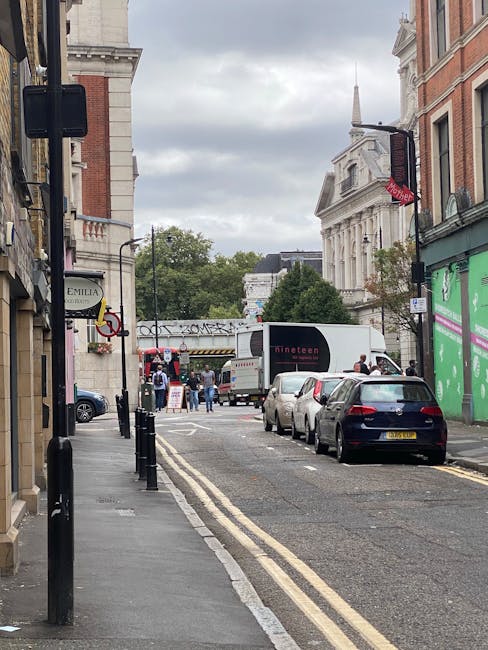
Turnham Green sits in a part of London where road layout, traffic timing, and parking rules all have a direct impact on how a removal unfolds. The area is attractive for movers because of its mix of period homes, mansion flats, terraced streets, and busy local amenities, but that same character can make access tricky. Large vehicles do not always fit neatly into the available space, and the most direct route on a map can be the worst one in practice.
For most people, the issue is not the move itself. It is the friction around the move: finding somewhere legal to stop, keeping the path clear, and getting furniture out without blocking traffic or a neighbour's driveway. That is why route planning and parking strategy matter just as much as packing boxes. A good moving plan takes the street, the time of day, and the size of the vehicle into account before anyone lifts a sofa.
In simple terms, the goal is to reduce wasted time at the property. Every extra lap around the block or every awkward double-parked pause increases pressure on everyone involved. If you are using a man and van service or arranging a larger vehicle, those few minutes can be the difference between a calm move and a stressful one.
Key takeaway: around Turnham Green, successful removals usually depend less on brute force and more on smart access planning, realistic vehicle choice, and legal parking.
How Removals near Turnham Green: best routes and parking Works
The practical side of a local removal starts before the vehicle sets off. First, you identify the origin and destination, then you think about the approach road, loading position, and likely turning space. That sounds obvious, but it is the step many people skip. A route that works perfectly for a car may not be suitable for a long-wheelbase van or removal truck.
In the Turnham Green area, the best route often depends on three things:
- Traffic flow at the time of move - school-run hours, evening congestion, and weekend shopping traffic can all slow access.
- Street width and turning room - some roads are fine for loading but awkward for larger vehicles to manoeuvre.
- Kerbside availability - even a short stop can become difficult if there are resident bays, pay-and-display spaces, or loading restrictions nearby.
This is where an experienced moving team can help. A good crew will not just drive to the postcode. They will think about whether the van should approach from one side street instead of another, whether a smaller vehicle is more suitable, and whether two shorter trips may be easier than one oversized one. If the job is larger, a moving truck or removal truck hire may still work well, but only if access is suitable.
Parking follows the same logic. In residential parts of Turnham Green, you may need to plan for bay restrictions, permit zones, yellow lines, or limited loading windows. If the property has no driveway or forecourt, the van may need to position itself close enough for practical carrying distance without blocking the road. That balance is important. Too far away and the move becomes exhausting; too close and you risk enforcement issues or neighbour complaints.
As a rule, you should always confirm where the vehicle can stop, how long it can stay there, and whether a permit or temporary arrangement is needed. If you are unsure, it is better to ask in advance than to improvise on moving day. Truth be told, moving day is not the best time for detective work.
Key Benefits and Practical Advantages
Good route and parking planning is not just about avoiding trouble. It creates a cleaner, faster move with fewer unexpected costs. For residents and businesses near Turnham Green, that can make a noticeable difference.
- Less time wasted on the day - the vehicle arrives knowing where to stop and how to approach.
- Lower risk of damage - shorter carry distances reduce the chance of knocks on door frames, stair edges, and furniture corners.
- Better coordination with neighbours - a well-managed move is less disruptive to other residents and local traffic.
- More accurate scheduling - if the route is planned properly, arrival and completion times are more realistic.
- Improved safety - fewer rushed manoeuvres mean less strain on people and fewer hazards around the loading area.
There is also a financial benefit, although it is often indirect. A removal that runs efficiently may need fewer labour hours, fewer repeat trips, and less idle time while a vehicle circles nearby. If you are comparing service options, it is sensible to review pricing and quotes alongside route practicality, not in isolation. A slightly better-planned move can often beat a cheaper but poorly coordinated one.
For landlords, tenants, and small businesses alike, good access planning also makes handovers simpler. You finish the move in a steadier state, which matters more than people usually admit. Nobody wants to spend the first evening in a new place wondering why the wardrobes are still in the van.
Who This Is For and When It Makes Sense
This guide is useful for anyone moving within or around Turnham Green, but some groups benefit more than others.
Home movers
If you are moving from a flat, townhouse, or converted building, parking is often the hardest part of the process. Shared entrances, narrow staircases, and time-limited access make advance planning essential. If you want extra support, a service such as home moves or house removalists can help you structure the day more efficiently.
Flat sharers and tenants
Shared moves usually involve multiple pickup points, a mix of furniture sizes, and tighter timing. In these cases, route choice matters because one delayed pickup can affect the entire schedule. A smaller vehicle may be more practical than a large truck, especially where street parking is limited.
Families
Families often have more items, more furniture, and more time pressure. Children, pets, and school runs add layers of complexity. A clear loading plan and nearby parking can make the day feel far less chaotic.
Businesses and home offices
Small office or studio relocations need reliable arrival times and decent kerbside access. If you are moving equipment, files, or workstations, take a look at office relocation services and commercial moves. The practical needs are different from a household move, and the route plan should reflect that.
People booking a help-only service
If you are doing most of the packing yourself but need lifting and transport support, a flexible man with van option can be the right middle ground. It suits smaller-to-medium moves where you want hands-on help without committing to a full removal truck setup.
Step-by-Step Guidance
Here is the most reliable way to plan a removal near Turnham Green without unnecessary surprises.
- Confirm the exact addresses. Include flat numbers, rear access points, and any service entrances. A postcode alone is not enough.
- Check the street layout. Look at access from both directions, note one-way streets, and identify where a van could safely stop.
- Assess parking restrictions. Check for resident bays, pay-and-display spaces, loading limits, or yellow line restrictions near both properties.
- Choose the right vehicle size. Do not book a larger vehicle than the street can realistically handle. Sometimes two smaller loads are easier than one oversized one.
- Plan the loading order. Put essentials, fragile items, and heavy furniture in a logical sequence so the team can work without reshuffling.
- Set a time window carefully. Avoid peak congestion where possible. A slightly earlier or later start may save a great deal of frustration.
- Prepare access at the property. Clear hallways, unlock gates, and keep entryways free of clutter before the vehicle arrives.
- Leave room for contingencies. Weather, traffic, and parking availability can change quickly. Build in a little slack.
If you are arranging your move through a professional team, it helps to choose one that also supports careful handling, loading, and scheduling. Services such as packing and unpacking services can reduce the pressure on moving day, especially when time is tight or you are moving with children.
A useful habit is to walk the route from the van position to the front door before the move begins. It sounds basic, but it reveals trip hazards, awkward steps, and narrow door swings that are easy to miss on a quick glance.
Expert Tips for Better Results
Small details often make the biggest difference in a local move. These are the habits that consistently improve results.
- Book access, not just transport. If your property is difficult to stop near, mention that clearly when requesting a quote.
- Use a smaller vehicle when the street is tight. A compact van may save more time than a bigger one if parking is constrained.
- Time the move around traffic patterns. Mid-morning is often calmer than early school-run periods, though every day is different.
- Label items by room. It speeds up unloading and prevents confusion when furniture arrives at a shared entrance.
- Protect the building as well as the furniture. Door frames, communal hallways, and stair corners need just as much attention as the sofa.
- Keep one parking contact on hand. If a neighbour needs a vehicle moved briefly, quick communication prevents conflict.
In our experience, the best-moving days are the ones where everyone knows the plan before the first box leaves the property. There is a calmness to that which you notice immediately. Less waiting, fewer questions, fewer half-finished decisions.
If sustainability matters to you, it is worth asking about reuse and disposal options for unwanted items before the move. You can also explore the company's approach to recycling and sustainability if you want to handle decluttering more responsibly.
Common Mistakes to Avoid
Most removal problems near Turnham Green are predictable. That is the good news. The bad news is that people keep making the same avoidable mistakes.
- Assuming parking will sort itself out. It rarely does. If you have not checked the loading point, you are guessing.
- Booking the wrong size vehicle. Too small means more trips; too large can mean access problems.
- Ignoring communal rules. Flats and managed buildings often have access expectations that matter on moving day.
- Leaving packing too late. Rushed packing tends to create delays, damaged items, and awkward last-minute reshuffling.
- Forgetting about the destination street. The new address may be harder to access than the old one.
- Not checking insurance and handling standards. This is especially important for valuable furniture or awkward items.
A common oversight is to focus entirely on the pickup side and forget the drop-off side. Yet the destination is where tiredness, time pressure, and parking tension often peak. If you are moving into a busy street or a shared building, factor that into the schedule from the start.
Another simple mistake? Leaving the van route to the last minute. You do not want to discover a low bridge, unsuitable turn, or blocked access with a loaded vehicle already on the road.
Tools, Resources and Recommendations
You do not need a huge toolkit to plan a move well, but a few practical resources will make the process much smoother.
- Street view and map tools - useful for checking turning points, loading areas, and likely stopping positions.
- Property access notes - write down floor levels, lift access, gate codes, and any awkward entry points.
- Parking information from the local area - confirm whether the road has permits, bays, or loading restrictions.
- Inventory lists - essential for tracking what goes in first and what should be unloaded first.
- Protective materials - blankets, straps, wraps, and floor protection help prevent avoidable damage.
If you are comparing providers, it is sensible to review their service pages before booking. For example, man and van is often the practical fit for smaller local moves, while removal truck hire can suit larger household clearances or multi-room relocations. If you need reassurance about service standards, visit the company's insurance and safety page and look for clear, plain-English explanations of handling and protection.
For background about the business and its working approach, the about us page can help you judge whether the service feels like the right fit. And if you are at the stage of comparing dates or prices, the easiest next step is usually a direct enquiry through the contact us page.
Law, Compliance, Standards, or Best Practice
Local removals do not require readers to become parking specialists, but there are a few practical standards worth respecting. In London, road use, waiting, and parking arrangements can vary by street and time of day. That means you should always verify what is permitted at both ends of the move rather than assuming short-term stopping will be acceptable.
From a best-practice perspective, the safest approach is simple:
- avoid blocking traffic lanes whenever possible;
- respect loading-only signs and permit rules;
- keep communal areas clear;
- make sure the moving team understands any building restrictions;
- prioritise safe lifting and clear communication over speed alone.
If your move involves stairs, awkward carries, or heavy items, good handling practice matters. That is not just about protecting the property; it is also about reducing strain and preventing injuries. For many customers, the clearest signal of a professional service is not the size of the vehicle but the care shown during loading, carrying, and parking.
Businesses should also think about security and payment processes when arranging a removal. If you are booking ahead or managing multiple decision-makers, it can help to review payment and security and the relevant terms and conditions before confirming the date. That keeps expectations clear and avoids confusion later on.
Options, Methods, or Comparison Table
Different move types call for different approaches. The right choice depends on property access, item volume, and how much support you want on the day.
| Option | Best for | Strengths | Trade-offs |
|---|---|---|---|
| Man and van | Small flats, room moves, short local relocations | Flexible, efficient, often easier for tight streets | May need more than one trip for larger loads |
| House removalists | Full home moves, multiple heavy items, family relocations | More structured support, better for larger volumes | Requires more planning around access and parking |
| Moving truck | Bulkier moves with enough road and turning space | Can take more in one go | Not ideal for narrow or restricted streets |
| Packing and unpacking support | Time-poor households or complex item sets | Reduces stress and improves move-day organisation | Extra service layer to factor into timing |
For many Turnham Green moves, the smartest answer is not the largest vehicle available, but the one that matches the street. That is especially true where access is tight, parking is limited, or the property has no private driveway. If you are not sure which method suits you, the service page for man with van on a nearby area site can also provide a useful sense of how smaller local moves are typically structured.
Case Study or Real-World Example
Consider a typical one-bedroom flat move near Turnham Green. The customer has a sofa, bed frame, mattress, dining table, a few boxes of kitchenware, and several fragile items. The property is on a residential street with limited parking, and the new address is only a short drive away, but the street at the destination has tighter access than expected.
Instead of sending a large vehicle and hoping for the best, the move is planned around a smaller van. The route avoids the most congested section during the morning rush, and the loading position is identified ahead of time. The team arrives, parks in a legal position with enough room to carry items safely, and clears the flat in a logical order: boxes first, then smaller furniture, then the heaviest items once pathways are open.
At the destination, the same careful thinking helps. The van stops where it can be loaded and unloaded without blocking neighbours, and the item sequence is adjusted so the bed frame reaches the right room before the boxes stack up in the hallway. The move finishes without any last-minute parking panic.
That is the value of route and parking planning in a nutshell. It does not make the work glamorous, but it makes it manageable. And for most people, manageable is exactly what they want on moving day.
Practical Checklist
Use this checklist before your move near Turnham Green.
- Confirm both addresses, including floor level and access details.
- Check whether the street allows loading, waiting, or temporary stopping.
- Identify the best approach route for the van or truck.
- Decide whether a small van or larger vehicle is more suitable.
- Inform the moving team about narrow entrances, stairs, or lifts.
- Prepare parking arrangements for both the old and new property.
- Label boxes by room and priority.
- Keep essentials separate from the main load.
- Protect furniture, walls, and floors before lifting begins.
- Review insurance, payment, and service terms before the date.
If you have items you do not want to take with you, it may be worth arranging a separate collection or disposal plan before the move. A service like furniture pick up can be useful for clearing space without adding avoidable clutter to the moving day itself.
Conclusion
Moving near Turnham Green is much easier when you treat route planning and parking as part of the job, not an afterthought. The right vehicle, the right arrival time, and a realistic loading position can save hours of frustration and prevent common access problems. Whether you are moving a flat, a family home, or a small business, the same principle applies: know the street, respect the parking, and plan the carry.
Once those basics are covered, the rest of the move tends to feel more predictable. That is the real goal. Not perfection. Just a smoother day with fewer surprises and less rushing around the block.
If you are ready to compare options, review service details, and plan a move that fits your property and schedule, speak to the team early so the route and parking setup can be planned properly.
Get a free quote today and see how much you can save.
Frequently Asked Questions
What is the best way to plan removals near Turnham Green?
Start with access. Check where the van can stop, how the street flows, and whether either property has parking restrictions. Then choose a vehicle size that fits the street as well as the load.
Do I need to arrange parking for a removal van in advance?
In many cases, yes. Even if no formal permit is needed, you should still confirm the most practical loading position. Around Turnham Green, kerbside space can be limited and changes quickly during busy periods.
Is a large removal truck always better?
Not necessarily. A larger vehicle only helps if the street can safely accommodate it. On tighter roads, a smaller van may be quicker and far easier to park.
What should I tell the moving company before the job?
Give them both postcodes, floor levels, access instructions, parking restrictions, and any unusually narrow or awkward entry points. The more specific you are, the better they can plan.
Are local moves around Turnham Green affected by traffic?
Yes. Local traffic patterns can affect arrival times and parking availability, especially during peak hours. Mid-morning or off-peak slots are often easier, but each day can be different.
Can a man and van service handle furniture and flats?
Yes, often very well. A man and van setup is commonly used for flat moves, room relocations, and smaller household loads where flexibility matters.
What if my building has no lift?
Let the moving team know in advance. Stair-only access affects timing, carrying distance, and crew planning, so it is better to set expectations early rather than on the day.
How can I reduce the risk of damage during the move?
Use proper packing, label fragile items, protect furniture edges, and keep walkways clear. Good parking also helps because shorter carries reduce the chance of knocks and slips.
Should I compare prices or focus on access first?
Both matter, but access first is the smarter starting point. A cheap quote can become less attractive if the vehicle cannot park properly or the move takes much longer than expected.
What happens if parking is unavailable when the van arrives?
The team may need to wait briefly, reposition, or adjust the loading plan. That is why advance parking checks are so important. A little planning usually prevents this problem.
Can I book packing help as well as transport?
Yes. If you want to reduce move-day pressure, packing and unpacking services can be a very practical add-on, especially for busy households or larger moves.
Where can I check service terms and trust information?
You can review the company's pages on insurance and safety, payment and security, and terms and conditions before confirming your booking. Those pages help set clear expectations.