Road closure and permit rules for Chiswick moving vans
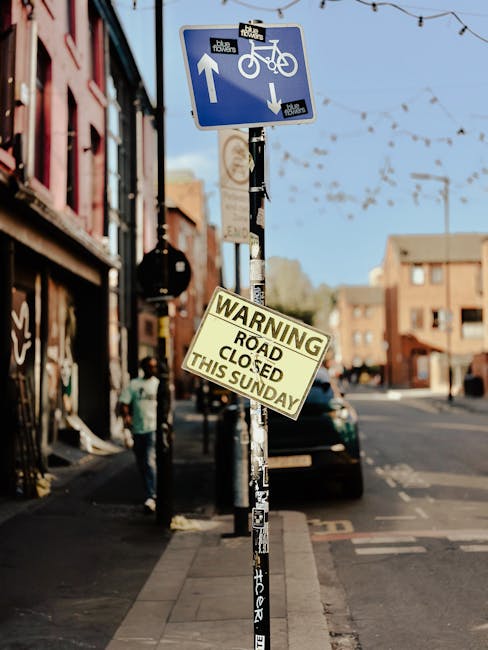
If you are planning a move in west London, the last thing you want is a van turning up to a closed street, a suspended bay, or a loading spot you cannot legally use. That is exactly why understanding Road closure and permit rules for Chiswick moving vans matters before moving day. In Chiswick, a short journey can become a complicated one if local roadworks, event closures, parking restrictions, or permit requirements are not checked properly. The good news? With a bit of planning, most of these headaches are avoidable.
This guide breaks the topic down in plain English. You will see how road closures affect access, when permits may be needed, what movers usually check in advance, and how to reduce the chance of delays. Whether you are moving a flat, an office, or a few bulky items, a smoother plan usually starts long before the van arrives.
Quick expert summary: in Chiswick, the safest moving plan is to check access early, confirm whether waiting or loading restrictions apply, and make sure your moving vehicle can legally stop close enough to the property. Simple, but it saves a lot of grief.
Why Road closure and permit rules for Chiswick moving vans Matters
Chiswick looks straightforward on a map, but the reality on the ground is often different. Narrow residential streets, controlled parking zones, busy high streets, school runs, and local works can all interfere with a moving van's access. A closure that seems minor on paper can mean a long walk with boxes, more time on the meter, or a van having to park a street away. That is a very different moving day from the one most people picture.
For homeowners and tenants, these rules matter because they affect timing, safety, and cost. For businesses, the stakes can be higher still. A delivery-style move blocked by a temporary closure can disrupt staff, clients, and building access. If you are organising commercial moves or an office relocation service, even a small access issue can ripple through the whole day. Funny how one "quick" restriction can suddenly become the main event.
There is also a compliance angle. In London, parking and stopping rules are not just suggestions. If a van loads where it should not, or blocks a road that is temporarily restricted, it can lead to penalties, complaints, or a frustrated resident calling enforcement. Nobody wants to be that person with the hazard lights flashing and a very polite but firm traffic warden waiting nearby.
To be fair, the purpose of these rules is not to make moving harder. They exist to keep streets moving, protect pedestrians, and manage congestion. Once you see them as part of the planning process rather than an obstacle, the whole thing becomes more manageable.
How Road closure and permit rules for Chiswick moving vans Works
The rules usually fall into two overlapping buckets: access restrictions and parking or loading permissions. A road closure may be temporary, such as for utility works, resurfacing, or local events. A permit issue may arise because the van needs to stop in a controlled bay, wait near a yellow line, or use a loading area for a limited time.
Here is the practical version. Before moving day, someone needs to check whether the van can reach the property, where it can stop, how long it can remain there, and whether any part of the route is affected by restrictions. If the address is in a busy part of Chiswick, this check matters even for a short move. In some cases, the mover may need to plan for a smaller vehicle, a shuttle arrangement, or extra carrying distance.
If you are using a more flexible vehicle option such as man and van or man with van, access planning is still essential. Smaller does not automatically mean simpler. A compact van is helpful in tight streets, but it still needs somewhere legal to stop. And if the road itself is closed, size hardly matters.
In many moves, the following issues are the ones that catch people out:
- temporary road closures with little street-level notice
- suspended parking bays
- single yellow or double yellow line restrictions
- loading bans at certain times of day
- narrow access blocked by other parked cars
- resident permit or visitor permit requirements
- time-limited access in managed developments
Another important detail: some building managers care more about arrival windows than the council does. A flat in a managed block may require the van to arrive within a narrow slot, use a service lift, or book loading access in advance. That is especially relevant if you are arranging a bigger vehicle such as a moving truck or a dedicated removal truck hire.
Key Benefits and Practical Advantages
Getting the access rules right does more than prevent awkwardness. It changes the whole mood of the move. Things run in a calmer, more organised way, which is exactly what you want when boxes are everywhere and the kettle is buried in a tape jungle.
Some of the main benefits include:
- Fewer delays: the van gets closer to the property, so loading and unloading is faster.
- Lower risk of penalties: legal parking and stopping reduce the chance of a ticket or complaint.
- Less lifting distance: shorter carries help protect furniture, walls, and people's backs.
- Better timing: a planned route gives the crew a realistic schedule.
- More control over costs: fewer delays and detours often mean fewer unexpected extras.
- Better customer experience: especially important if the move involves a business or shared building.
There is also a quieter benefit that people only appreciate on the day: confidence. When everyone knows the van can stop where it needs to, there is less frantic phone calling, less second-guessing, and less of that awkward "hang on, is this even allowed?" moment.
If you are moving household goods, furniture, or a single bulky item, services such as home moves, house removalists, or furniture pick up can all benefit from this kind of advance planning. Even one sofa can be a problem if the van has to stop two streets away.
Who This Is For and When It Makes Sense
This topic is relevant for more people than you might think. It is not just for large removals or complicated office moves. If a vehicle needs to stop on a public road in Chiswick, the closure and permit rules may affect you.
It makes sense to pay close attention if you are:
- moving into or out of a flat on a restricted street
- relocating a family home with a tight loading area
- moving a small office, studio, or clinic
- collecting furniture from a seller or warehouse
- using a large van or truck that needs more room to manoeuvre
- moving during school pickup time, rush hour, or a weekend event
- working with a managed building that requires booked access
For businesses, the issue can be a bit more layered. A company move may need to line up with building management, staff availability, and street restrictions all at once. If that is your situation, the planning work can feel annoying at first, but it pays off. For many firms, checking access early is part of the same process as booking packing and unpacking services or arranging a specific vehicle size.
Truth be told, even small moves benefit from a proper access check. One missing detail can turn a 20-minute unload into a 90-minute shuffle. You only need that lesson once.
Step-by-Step Guidance
Here is a practical way to handle road closure and permit planning without overcomplicating it.
- Confirm the exact moving address. This sounds obvious, but it matters. Nearby streets can have different restrictions, and one-way systems can change the best approach.
- Check whether the road is affected by works or closures. Look for temporary access issues, planned works, or event-related changes near the property and along the van route.
- Review parking and loading restrictions. Pay attention to bays, single yellow lines, resident-only areas, and any time-based loading rules.
- Speak to the building manager if needed. Flats, offices, and estates may have separate access rules, lift bookings, or loading instructions.
- Choose the right vehicle size. A smaller van can sometimes solve access issues, but a larger truck may still be the right choice if the route allows it.
- Allow extra time. Especially in busy parts of Chiswick, the van may need to wait briefly before it can stop legally.
- Prepare a backup plan. If the ideal loading point is unavailable, decide in advance where the crew can safely relocate to.
- Keep communication open on moving day. A quick call can solve a lot before a small problem becomes a major delay.
A useful habit is to think about the move from the van driver's point of view. Can they see the property clearly? Can they turn safely? Can they stop without blocking a junction or crossing? That perspective alone catches a surprising number of issues.
If your move involves a larger load, ask whether a bigger vehicle like a moving truck is practical, or whether a more compact arrangement will be easier in a tight street. Sometimes the "best" vehicle is not the biggest one, just the one that can legally and cleanly get the job done.
Expert Tips for Better Results
After enough moving days, a few patterns become obvious. The people who plan access early tend to have the least stressful experience. It is not glamorous, but it works.
1. Aim to book earlier than you think you need.
Temporary road restrictions can change with little notice. If your move date is fixed, do not leave the access check until the week of the move. Earlier is better, especially for a weekday move.
2. Keep the van's route as simple as possible.
Sometimes the shortest route is not the easiest route. A slightly longer approach with better stopping space can save time and stress. That is especially true in tight residential pockets around Chiswick, where a narrow turning can be the real bottleneck.
3. Treat loading and unloading as separate decisions.
The best stop at the origin may not be the best stop at the destination. Check both addresses. People often forget the arrival side, then discover the new street has stricter restrictions than the old one. Annoying, yes.
4. Protect the carrying distance.
If the van must park further away, make sure you have enough people and equipment for the extra distance. A trolley or extra pair of hands can make a big difference.
5. Put fragile items on the schedule first.
When access is uncertain, delicate items should be loaded while everyone is fresh. That way, if the van has to move position, you are not rushing with glass, mirrors, or awkward furniture at the end of the day.
6. Keep proof of permissions handy.
If a building manager, parking scheme, or organiser has given approval, save the confirmation somewhere easy to find. You probably will not need it, but if someone questions the stop, it helps.
Small tip, but a useful one: if a move feels "close enough" to plan on the morning of the job, it usually means the plan is too late already.
Common Mistakes to Avoid
Most access problems are predictable. That is the frustrating part. The good news is that the same mistakes keep appearing, which means they are easy to avoid once you know what to look for.
- Assuming the street is fine because it was fine last time. Restrictions change.
- Not checking temporary closures. Works can appear with little warning.
- Ignoring loading time windows. A bay may exist, but not be usable when you need it.
- Booking the wrong vehicle size. Too big creates access trouble; too small creates multiple trips.
- Forgetting the destination street. The new address can be more restrictive than the old one.
- Leaving building rules until the day itself. This often causes avoidable delays.
- Underestimating extra carrying time. A second-floor flat with no lift is a different job from a ground-floor house.
One subtle mistake is not preparing the customer side of the move. For example, if you are relocating equipment for a small team, staff may assume they can arrive and unload instantly. Not always. If the van must wait, the whole handover can shift by half an hour or more. Nothing dramatic, just enough to throw everyone off.
Tools, Resources and Recommendations
You do not need fancy software to plan this properly. In practice, a few straightforward tools and habits are enough.
- Map the route early: look at access from both the main road and the side street.
- Take photos of the entrance: this helps the mover judge width, turning space, and loading distance.
- Write down time restrictions: school-run hours, resident bay times, and building access windows are easy to forget.
- Check with property managers: especially useful for flats, offices, and managed estates.
- Keep a backup stop location: helpful if the nearest bay is unavailable on the day.
If you are comparing service types, it can also help to match the move style to the access conditions. A smaller man with van setup may suit a short urban move with limited stopping space, while a larger removal truck hire may be better for bigger household loads where the route is still workable.
And if you are trying to keep the whole move tidy, organised packing matters more than people think. That is where packing and unpacking services can make the day calmer. Fewer loose items means quicker loading, fewer trips, and less fiddling around while a legal stopping window is ticking away.
Law, Compliance, Standards, or Best Practice
It is worth being careful here. Specific road closure rules, parking permissions, and permit requirements can vary depending on the location, the type of restriction, and the authority or property responsible for the street. So while the exact detail may change from one street to the next, the general best practice is consistent: do not assume access.
In UK moving work, the standard approach is to plan for lawful stopping, safe loading, and minimal disruption to other road users. That means:
- respecting parking controls and signs
- avoiding blocked access for emergency vehicles or neighbours
- keeping footpaths clear where possible
- following any property-specific loading rules
- using appropriate vehicle insurance and safe handling practices
For a professional moving operation, good compliance also includes clear communication, sensible timing, and documenting any special access arrangements. If your move involves a larger load or higher-value items, check the mover's approach to safety and cover. It is sensible to review insurance and safety and the company's health and safety policy before booking.
That may sound formal, but it is really just about doing things properly. In moving, proper usually means faster and less stressful too. Not always, but often enough to matter.
Options, Methods, or Comparison Table
There is more than one way to handle a move in Chiswick, and the best choice depends on how tight the access is, how much you are moving, and how much flexibility you have on the day.
| Approach | Best for | Strengths | Watch-outs |
|---|---|---|---|
| Small van / man and van | Light to medium moves, tighter streets | Easier to park, nimble in residential roads | May require more trips if the load is large |
| Moving truck | Larger household or office loads | Fewer trips, efficient for bigger volumes | Needs more room and better route access |
| Removal truck hire | Moves where capacity is the priority | Strong for bulky or high-volume loads | Access restrictions can be harder to manage |
| Furniture pick-up | Single items or small collections | Simple, fast, usually low complexity | Still needs legal stopping space |
This is where many people make the wrong call: they choose based on the items alone, not on access. A bigger vehicle sounds efficient, until you remember the street is narrow and the closest legal stop is already occupied. In those cases, a smaller vehicle can actually be the smarter option.
If you are still weighing up the move type, a good starting point is the service that matches your property and volume. For larger residential jobs, home moves or house removalists may be more suitable; for business relocations, the fit may be closer to commercial moves.
Case Study or Real-World Example
Here is a realistic Chiswick-style scenario. A couple is moving from a second-floor flat near a busy high street into a terraced house on a side road. On paper, the distance is tiny. In practice, the first address has limited stopping space, and the second street has resident parking pressure most of the day. Add a bit of roadwork nearby and suddenly the best plan is not the obvious one.
What worked best was simple: the mover checked access ahead of time, the customer kept the lift booked at the flat, and the van arrived early enough to take advantage of a brief loading window. The loading point was not directly outside the building, so the crew carried boxes a short distance. Nothing dramatic, just a bit of walking. The move stayed on schedule because nobody treated the route as an afterthought.
There was one small snag. A parked car had narrowed the approach more than expected, so the van had to stop slightly further along the road. No panic. The team adjusted, used trolleys, and kept the heavier items for when the route was clear. The move still finished that afternoon. That kind of flexibility is what makes a local move feel manageable instead of chaotic.
The lesson is not that every move needs a military plan. It does not. But in a place like Chiswick, where access can change street by street, a little preparation goes a long way.
Practical Checklist
Use this checklist before moving day. It is basic, but honestly, the basics are what save you.
- Confirm the exact pick-up and drop-off addresses
- Check for temporary road closures or nearby works
- Review parking, loading, and waiting restrictions
- Ask the building manager about access rules
- Decide whether a small van or larger truck is more practical
- Plan a backup stopping point
- Allow extra time for walking distance or lift delays
- Prepare proof of booking or permissions if needed
- Protect fragile items and separate essentials
- Keep the mover updated if anything changes
Useful reminder: a move does not have to be perfect. It just has to be planned well enough that small surprises stay small.
Conclusion
Road closure and permit rules for Chiswick moving vans are not the glamorous part of moving, but they are often the part that decides whether the day feels smooth or stressful. If you know where the van can stop, whether the road is open, and what permissions are needed, you remove a lot of uncertainty straight away. That gives you more control over timing, safety, and cost.
The real aim is not just to avoid fines or delays. It is to make the move feel calm enough that you can focus on the practical stuff: getting settled, keeping things intact, and moving on with your day. To be fair, that is what most people actually want. A move that works. No drama, no guessing.
If you are organising a move and want support choosing the right service or vehicle for your access conditions, take a look at the relevant options and plan from there. A few thoughtful decisions now can save a lot of running about later.
Get a free quote today and see how much you can save.
Frequently Asked Questions
Do I need a permit for a moving van in Chiswick?
Sometimes, yes, depending on where the van needs to stop. If the street has controlled parking, loading restrictions, or resident-only bays, a permit or alternative parking plan may be needed. The safest approach is to check the exact address rather than assume.
Can a moving van stop on double yellow lines?
Not as a blanket rule. Stopping on double yellow lines is generally restricted, and loading exemptions are not something you should rely on without confirming the local rules. For moving day, it is better to plan a legal stopping point in advance.
What if my street is temporarily closed on moving day?
You should contact the mover straight away and work out an alternative route or stopping point. If the closure affects only part of the street, a nearby legal loading area may solve the problem. If access is fully blocked, the move may need rescheduling or a different vehicle plan.
How far in advance should I check road closure information?
As early as possible. A few days can be enough for minor moves, but earlier is safer, especially in busy areas or during peak moving periods. If you leave it until the morning of the move, you are basically gambling with your own time.
Are smaller vans easier to use in Chiswick?
Often they are, especially in tighter streets or where parking is limited. But smaller does not always mean better. If the load is large, you might end up making extra trips. The right vehicle depends on both the route and the volume.
What should I tell the moving company before the job?
Give them the exact addresses, access notes, parking restrictions, building rules, and anything that could block the route. Photos help too. The more practical detail you provide, the easier it is for them to plan the van position and timings.
Do office moves need different planning from house moves?
Usually, yes. Office moves can involve building management, reception access, delivery slots, lift bookings, and time-sensitive staff handovers. If you are moving a workplace, commercial planning is usually more detailed than a simple domestic move.
What happens if the van cannot park near the property?
The crew may need to park further away and carry items by hand or use trolleys. That increases the moving time and can affect cost. It is not ideal, but with planning it is manageable. The key is knowing that in advance, not discovering it mid-load.
Can I use furniture pick-up for just one item if the road is restricted?
Yes, but the same access rules still apply. Even a single item needs legal stopping space. A furniture collection may look simple, but the van still has to get close enough to load safely.
How do I reduce the risk of delays from road closures?
Check the route, confirm parking rules, keep a backup plan, and choose the right vehicle size. It also helps to move during quieter times when traffic and parking pressure are lower. A bit of planning makes a very noticeable difference.
What if I am moving from a flat with no lift?
Allow extra time and tell the mover early. Stair carries can change the schedule quickly, especially if the van also has to park a short distance away. It is one of those details that seems minor until you are carrying a wardrobe up stairs.
Where can I find more information about preparing for the move?
You can explore relevant service pages for your situation, including home moves, man and van, and pricing and quotes. If you need to check company information or standards, about us, insurance and safety, and recycling and sustainability are useful starting points.